






Post-competition management: turning participants into ambassadors
In 2018 the competition ended with the prize-giving. In 2024 the prize-giving is the beginning. The difference is a network of alumni that generates 34% of new entries
In this article
The invisible capital: the non-winners
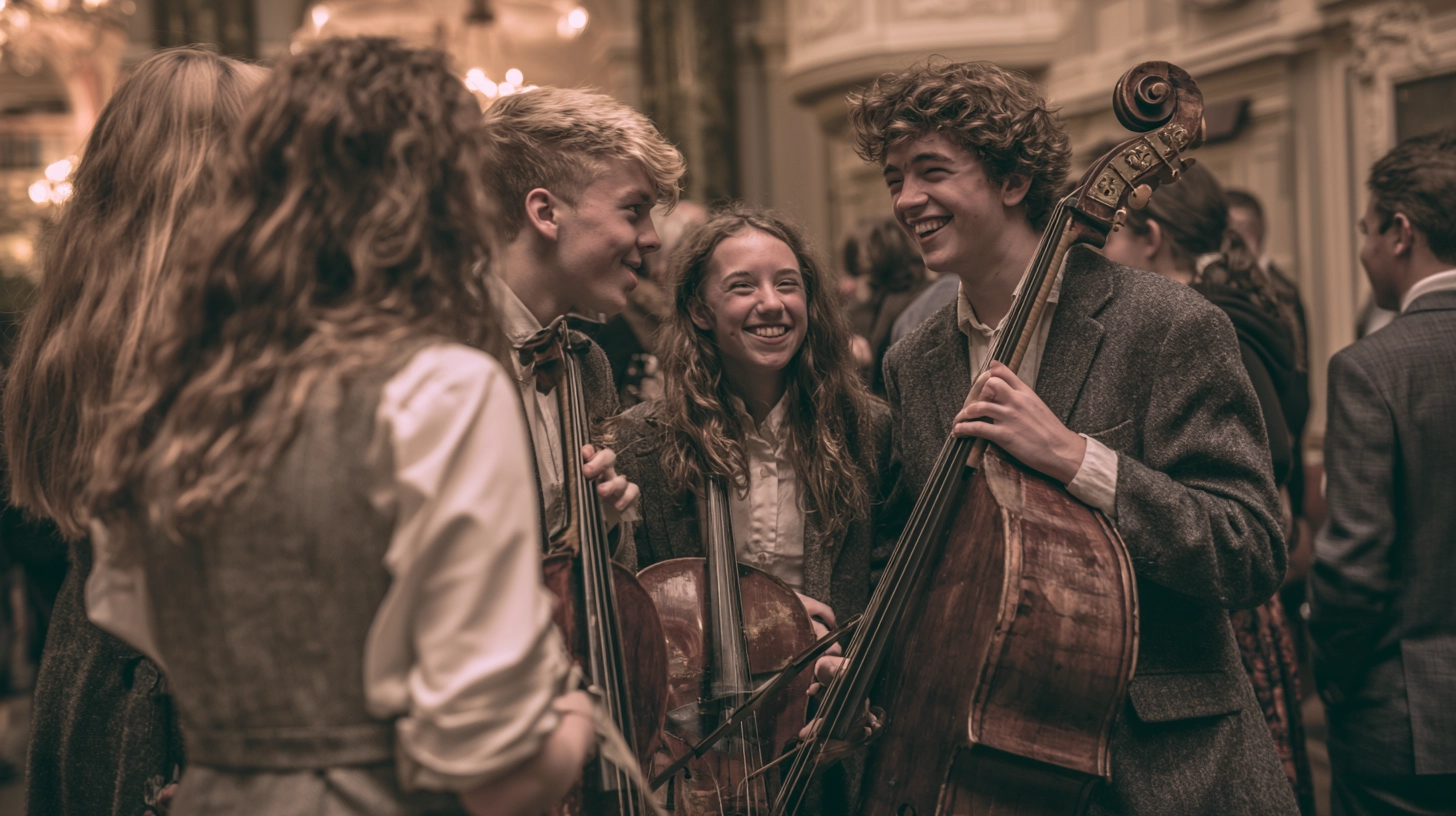
International cello competition, 2018 edition: 127 participants from 34 countries, a moving final, the prize-giving, the group photo. Then silence. Same competition, 2024 edition: 89 participants, but 23 of them referred by former participants, and the 2018 winner is now principal cello in a top orchestra and cites the competition in every interview. The difference is all here: in 2018 the competition ended with the prize-giving, in 2024 the prize-giving is the beginning.
The numbers across 1,341 competitions tell a precise story. An average competition has 80 participants: one wins, three reach the podium, six make the final. And the other 71? In most cases they vanish — no follow-up, no thanks, no relationship built. Yet those 71 musicians will enter other competitions, talk to colleagues, teach students.
Competitions that keep their alumni network active record an unequivocal figure: 34% of new entries come through direct word of mouth. Not advertising, not social media. People telling other people: «that competition is worth it.»
The strategy of the valued finalist
The podium is photogenic, but the finalists are the real treasure. Competitions that value all finalists, not just the winners, get 47% more quality applications in later editions, a 28% return rate among non-winners under 22, and a network of «involuntary ambassadors» that grows year after year.
Three concrete actions to value a finalist
- A personalised certificate with jury feedback: not generic, but specific about strengths — something the musician keeps and rereads.
- Inclusion in the mailing list: with updates on the alumni's successes, so the bond stays alive all year round.
- Priority invitations: to masterclasses or fringe events of later editions, turning a finalist into a member of the competition's family.
The winner as a long-term asset
The winner signs, receives the prize, gives thanks. And then? Competitions that systematically track winners' careers and communicate them get measurable results: every winner who reaches a seat in a top orchestra or records an album generates on average 12 new «qualified» entries — candidates who cite that winner as their motivation.
A competition that publishes an annual «our winners today» newsletter sees a 23% increase in applications compared with those that don't. The winner isn't the end of the story: they're living proof that the competition works.
The alumni community
The shift from «email database» to «active community» requires three elements, and their combined effect slashes acquisition costs: competitions with active communities spend 67% less per new participant than those relying on advertising alone.
The three ingredients of community
Exclusive content: interviews with jurors, analyses of the winning performances, previews of the next edition — something worth reading. Recognition: inviting alumni as observers at the finals, even just with an «Alumni» badge. Cost: zero, effect: lasting.
From organiser to node
Concrete opportunities: flagging auditions, courses, other competitions. Becoming a node of connection, not just an event organiser. When the competition helps musicians all year, the musicians give back loyalty and word of mouth.
The 7-day protocol
The critical moment is the week after the final: the participant goes home, returns to the routine, the competition fades. The competitions with the best engagement rates follow a precise scheme, day by day.
A sequence of four contacts in seven days
- Day 1: a personalised thank-you email (name, instrument, round reached).
- Day 3: sharing photos and video of their own performance, where available.
- Day 5: an invitation to fill in a short questionnaire about the experience.
- Day 7: the announcement of the next edition's date with a «priority notification».
78% of participants who receive this flow open at least 3 of 4 emails; 45% fill in the questionnaire; 31% enter the next edition or refer a colleague. Four emails, in a week, are worth a third of the following entries.
The no-shows that count
There's a forgotten category: those who entered but didn't take part — withdrawal through illness, a date clash, second thoughts. Out of 100 entrants, on average 15-20 don't show up, and most competitions ignore them. Yet a simple dedicated email («sorry we didn't see you this year, we hope to next edition») recovers 22% of these candidates the following year.
And those who entered but weren't admitted to the selections? A message pointing out the points to work on turns a rejection into an investment: 18% of those who receive constructive feedback try again within two years. A well-communicated «no» is worth more than a silent one.
The paradox of exclusivity
The more exclusive a competition, the more precious its alumni network. If you accept only 30 candidates out of 200 applications, those 30 are already a selection: they passed a screening, share an experience, are potential colleagues and not competitors. It's relational capital that asks only to be cultivated.
Competitions that facilitate networking among participants — dinners, shared open rehearsals, moderated WhatsApp groups — create bonds that last beyond the event. The result is a network of alumni who exchange information, flag opportunities for one another, and speak of the competition as «a formative experience» rather than «a competition». And it's precisely this narrative that generates future entries.
From annual event to permanent ecosystem
The competition isn't a moment: it's a node in a network. Organisers who treat each edition as an episode of a wider series build something that outlives the single years — an archive of talent, a reputation, a heritage. Of 462,529 views in dbStrings' competitions section, a growing share comes from searches about past winners: whoever searches «winner of competition X 2019» is weighing up whether to take part in 2025.
The final question isn't «who won?» but «what happened next?». It's the answer to this last question that decides whether a competition will stay a forgettable event or become an institution that generations of musicians want to belong to.
