







Effective video teasers: the 30 seconds worth 30 enrolments
You don't have 3 minutes of attention: you have 3 seconds to stop the scroll, 10 to create interest, 30 to convert
In this article
The brochure-video mistake
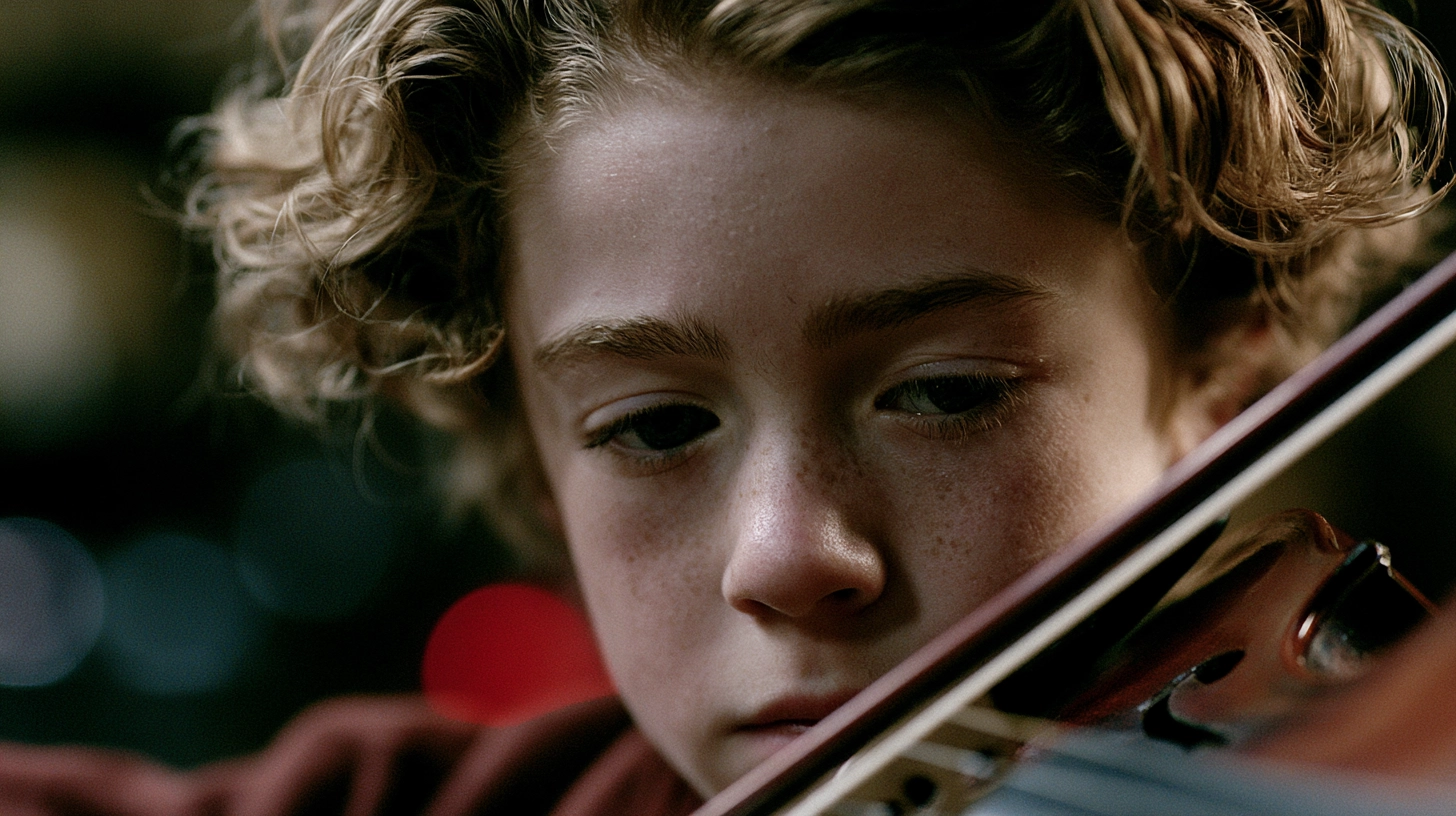
Two identical violin courses, same world-famous teacher, same programme, same price. The first posts a 3-minute video: the master seated talking about the programme, fixed shot, webcam audio. The second posts 30 seconds: hands on the violin, a Brahms crescendo, the master whispering a correction, a student smiling lit up, cut to black, date. First course: 11 enrolments. Second: 94.
There is an automatic reflex when we make course videos: putting everything in — introduction, programme, location, testimonials, practical info. The result is a 3-minute video no one watches past the first 15 seconds. The data on 2,144 courses is merciless: 73% of users abandon within 12 seconds, only 4% reach the end of a 3-minute video, but 47% watch a well-made 30-second teaser in full. The teaser must not say everything: it must make you want to know everything.
The structure of the converting 30 seconds
In the database, the teasers that convert follow a precise structure: five movements in thirty seconds, not one more.
The five beats of the teaser
- 0-3 sec — the visual hook: never a person talking to camera, always action (the bow on the strings, the fingers in a fast passage). Audio: the sound of the instrument, not words.
- 3-10 sec — the emotional promise: the transformation moment, the student solving a passage, the master nodding.
- 10-20 sec — compressed credibility: very quick flashes of master, students, location, final concert; the music rises and becomes ensemble.
- 20-27 sec — subtle urgency: places left (visually), dates approaching, testimonials in 3 words.
- 27-30 sec — the call to action: logo, dates, link. Nothing else. Musical resolution, silence.
The power of sound before image
67% of social videos are first seen without audio — but when the audio kicks in, it must land hard. Videos that start with speech have a 19% full-view rate; those that start with music reach 52%. Not just any music, though: it must be immediately recognisable (a famous opening), emotionally powerful (not a technical study), well recorded (a smartphone is death) and in a crescendo.
Same video, three audios: the teacher speaking, 14 enrolments; generic background music, 31; an excerpt from the previous course's students performing, 78. Authenticity beats perfection.
The editing that hypnotises
Slow editing is dead, but editing that is too fast alienates. The right rhythm changes shot every 2-3 seconds, never repeats the same kind of shot twice in a row, alternates wide/tight and static/moving, and grants a "breath" (a 4-5 second shot) halfway through.
But above all: cut to the music. Every shot change on a musical accent. It is subconscious but extremely powerful — the brain synchronises, attention stays hooked. It is the difference between a video you watch and one you cannot pull away from.
The perfection mistake
There is the temptation to want the "professional" video: crew, lights, crane shots, cinema colour grading. The data is counterintuitive: "over-produced" videos convert 34% less than authentic but well-shot ones. The reason is emotional distance — too glossy a video looks like advertising, an authentic one looks like opportunity.
The balance point
A good camera (or a well-used recent smartphone), natural light when possible, minimal but present camera moves, colour correction yes and special effects no — and above all clean sound, which is non-negotiable.
The proof in numbers
One course remade its video, going from a €5,000 production to "documentary" shooting at €500: enrolments rose from 23 to 67. Every €100 invested in video, in the database, generates €430 in extra enrolments.
The thumbnail that stops the scroll
Before the video even starts you have to stop the scroll: the thumbnail is 50% of success. What works is faces in strong emotional expression (concentration, joy), hands on the instrument in a dynamic position, high contrast and an unexpected element; what fails is static posed groups, an instrument without people, text over the image, a location without action.
The definitive test is simple: show the thumbnail for one second. If it is not clear that it is a music course and it does not create curiosity, remake it — because without that first freeze-frame, the best video in the world will never be started.
Adapting the video to each platform
Not all videos work everywhere: each platform has its grammar, and ignoring it means halving the yield.
A format for every home
- Instagram Reels / TikTok: vertical 9:16, maximum 30 seconds (15 even better), burned-in subtitles, hook in the first 1.5 seconds.
- Facebook: square 1:1 or horizontal 16:9, up to 60 seconds but 30 is best, a custom thumbnail is essential.
- YouTube Shorts: vertical, and exploit search with a keyword title.
- LinkedIn: native videos (not links), a more "professional" tone, 45 seconds work well.
- WhatsApp Status: 15 seconds maximum, must work muted, link in the caption.
The golden rule of 30 seconds
If you cannot move people in 30 seconds, you will not do it in 3 minutes. If you don't know what to cut, cut everything but three things: the moment of greatest emotion, the most impressive demonstration of competence, the most visible transformation. And make the video long-lived — no dates in the footage (only in the caption), no time references, no trendy music that will embarrass you in six months: aim for universal emotions and timeless technique, so a video made today will generate enrolments years from now.
The correlation is clear: -10 seconds of length = +19% full views = +34% conversions. The perfect video is not the one that says everything: it is the one that makes you want to know everything.
